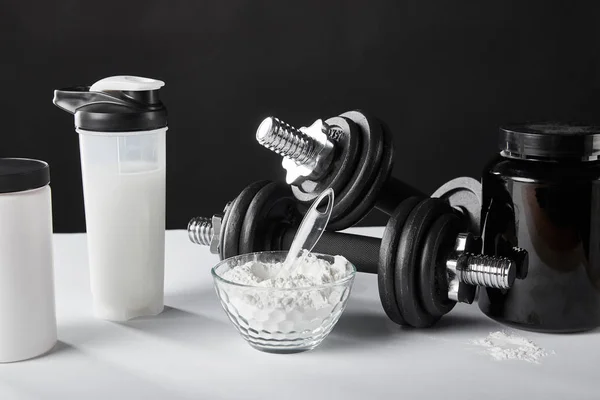
If you’ve ever scoffed at a protein bar or wondered whether a powder shake can really match the nourishment of a chicken breast plus apple combo, you’re not alone. These days, protein bars and shakes are everywhere, pitched as streamlined nutrition. But when it comes to health, muscle, longevity and everyday fuel — how do they really compare to natural foods and fruits? Let’s dig in, in a friendly yet evidence-based way.
Why people use bars and shakes in the first place
Many folks turn to protein bars or powders because:
-
They’re fast, portable, and don’t require cooking
-
They offer a predictable “dose” of protein (e.g. 20–30 g)
-
After a workout, they may help deliver amino acids swiftly when appetite is suppressed
-
They “fill gaps” for people struggling to hit daily protein goals
These are valid advantages, especially for busy or active people. But convenience doesn’t automatically equal health.
What the research says: protein supplementation + exercise
Muscle mass, strength, and recovery
A landmark meta-analysis by Morton et al. (2018) pooled numerous randomized controlled trials and found that protein supplementation significantly enhanced gains in muscle strength and size when combined with resistance training, compared to placebo or control groups. PubMed
Another recent meta-analysis confirmed that adding protein beyond baseline intake produces small but meaningful improvements in muscle adaptation during strength training. ScienceDirect+1
That said, the margin of benefit becomes smaller once you’re already eating enough protein. A systematic review and meta-analysis focusing on resistance exercise showed that extra protein tends to yield lean body mass gains roughly on the order of ~0.5–1.5 kg more than controls over the intervention periods. PMC
Cardiometabolic effects & safety
It’s not all about muscles. Whey-protein supplementation has been studied for effects on blood lipids, blood pressure, and insulin/glucose responses. A systematic review of randomized trials found that whey often exerts modest favorable effects on fasting insulin and lipid profiles, especially when replacing less healthy protein or when combined with caloric control. Clinical Nutrition Journal
However, it’s also important to consider trade-offs. In a narrative review, whey protein was associated with both beneficial and mixed effects on gut microbiota, depending on dose, background diet, and individual differences. MDPI
In sum: supplementation is generally safe in healthy people (when within reasonable amounts), but not risk-free, and its utility depends heavily on context (baseline protein, diet, training status).
The downsides of bars, shakes & ultra-processing
Loss of food matrix & collateral nutrients
Whole foods (meats, dairy, legumes, nuts, seeds, eggs, whole grains, vegetables, and fruits) deliver not just protein but a matrix of vitamins, minerals, fiber, healthy fats, antioxidants, and phytochemicals. That complexity — that “food matrix” — can’t always be replicated in a powdered mix or bar. Over-reliance on processed bars and powders can lead to nutrient gaps.
Ultra-processed classification & health risks
Many protein bars fall into the category of ultra-processed foods (UPFs). UPFs are products made mostly from industrial ingredients, additives, and few intact whole foods. Epidemiological studies consistently link high UPF consumption with higher risk of obesity, type 2 diabetes, cardiovascular disease, some cancers, and even overall mortality. EWG+3Harvard Chan School+3The Guardian+3
One large study showed that participants in the highest quintile of UPF intake had a ~4% higher risk of all-cause mortality compared to those in the lowest quintile. Harvard Chan School
Another umbrella review of UPFs found dozens of adverse outcomes associated with their overconsumption — everything from metabolic disease to mental health issues. The Guardian
The problem? Many bars include added sugars, sugar alcohols, emulsifiers, processed fibers, chocolate coatings, and flavoring agents. Their “processing budget” often leaves less room for wholesome micronutrients. EWG+2NOVI Health+2
Ingredient risks & label surprises
-
Some protein powders and bars have been found to contain elevated levels of heavy metals (lead, cadmium, arsenic), or mislabelled protein content.
-
Bars often include sugar alcohols or large amounts of processed fiber (like inulin, chicory root fiber), which can cause bloating or digestive discomfort. RUN | Powered by Outside+1
-
Bar manufacturers sometimes hide large amounts of added sugar behind appealing health claims. Health
Thus, while bars and shakes can be useful tools, they also carry risks or costs when overused or poorly chosen.
Comparing real foods and fruits — the gold standard
Fruits, vegetables, legumes, whole grains, nuts, dairy and animal protein sources (meat, eggs, fish) generally:
-
Provide essential micronutrients (vitamins, minerals, antioxidants)
-
Deliver fiber that supports gut health and slows glucose absorption
-
Promote satiety better (the “full feeling”)
-
Don’t rely on additives, artificial sweeteners or heavy processing
-
Are backed by decades of epidemiological evidence linking diets rich in whole foods to lower chronic disease risk
Take fruit: you might get natural sugars, fiber, vitamins, and phytonutrients. A banana alongside a lean protein gives you both macro and micro benefits.
If you had to choose between “protein bar + no fruit” and “grilled chicken + apple,” the latter is almost always the better default — unless the bar allows you to reach your protein target when the meal is not feasible.
How to use bars & shakes wisely — maximizing benefit, minimizing risk
Here’s how to strike balance:
1. Use them as supplements, not staples
Think of bars and powders as “support tools” — to fill gaps, cover travel days, or provide post-workout protein — not as your primary nutrition sources.
2. Prioritize the quality of bars/powders
-
Choose powders with third-party testing (NSF Certified, Informed-Sport, USP)
-
For bars: aim for ≥10 g protein, ≤8–10 g added sugar, whole-food ingredients early in the list, and a short ingredient list
-
Avoid bars with excessive sugar alcohols, artificial colors/flavors, or long industrial names
-
Rotate flavors/brands to reduce contaminant or additive accumulation risk
3. Watch your total protein dose
Data suggests that beyond ~1.6 g/kg bodyweight per day, extra protein yields diminishing returns in many people doing resistance training. PMC+2SpringerOpen+2
Going extremely high with supplementation may not lead to extra muscle, and could put stress on kidneys or digestive systems (especially in those with previous kidney issues).
4. Eat them at times when they shine
-
Right after resistance training: a fast-digesting protein shake may help kickstart recovery
-
On travel or “road food” days when cooking is impractical
-
As a “protein anchor” in small meals or snacks (e.g. a bar plus fruit)
5. Always pair with real foods
A shake with spinach, banana, nuts or berries helps recover nutrients lost in the processing. A bar eaten with a Greek yogurt or piece of fruit reduces the “processing deficit.”
Example scenarios
| Situation | Smart bar/shake use | Better whole-food fallback |
|---|---|---|
| Post lift and starving | Whey shake (20–30 g) + banana | Grilled chicken wrap + salad + fruit |
| Long travel day | Two high-quality protein bars spaced out | Cooked eggs, cooked chicken, fruit/veg |
| Busy workday | Bar in afternoon to keep protein up | Greek yogurt + nuts + berries, veggie omelet |
| Dieting (calorie deficit) | Use low-sugar protein shake to boost satiety | Lean protein + fibrous vegetables + fruit |
A reality check & take-home message
-
Yes — protein bars, shakes and supplements can help especially when they enable you to meet your protein goals or recover faster.
-
But they are not replacements for the complex, health-promoting benefit of whole foods and fruits.
-
The more you rely on ultra-processed bars instead of natural foods, the greater the risk of missing micronutrients, overconsuming additives, or falling into unhealthy patterns.
-
Choose wisely (quality, ingredients, third-party testing), use strategically (post-workout, travel, gaps), and let whole foods remain your primary nutrition foundation.
Leave a Reply